Frequently Asked Questions
This FAQ section provides answers to some of the most frequently asked questions about NVT and the work we do.
For more information please stop by the NVT office or contact us.
Chokka (Calamari) Fishing: Night Lights, Sustainability, and Coastal Impact
The Chokka Fishing Industry?
Each year there are quite a few questions and comments about the bright lights visible offshore at night. While some people find them dazzling, others find them disruptive — so here’s a bit of context to help explain what’s going on.
Those lights belong to the Chokka boats, a fishing industry which targets the squid species Loligo reynaudii (aka calamari). This is a well-established and important fishery along South Africa’s south and Eastern Cape coastline.
The boats use a specialised and relatively sustainable method called jigging. This involves bright lights to attract squid to the surface, where they are caught individually on hand-held lines — not nets — which means there is virtually no bycatch or interference with whales etc. However, while walking along the beach, you might occasionally come across a colourful squid jig that have been lost at sea and washed ashore (please pick them up and put in the fishermen bins along the beach entrances).
This industry plays a significant economic role, especially in coastal towns. It supports thousands of jobs across fishing, processing, and related services, and contributes substantially to export revenue. For many families — particularly in the Eastern Cape — it is a vital source of income.
Chokka squid are found along the south-eastern coast, generally between Plettenberg Bay and Port Alfred, with the fleet largely operating out of Port St Francis. These squid have a short lifecycle (about 12–18 months), moving with the Agulhas Current before returning to spawn. To protect them, strict management measures are in place, including quotas and seasonal closures (notably mid-October to late November, and typically a period between April and June).
All commercial vessels are regulated and monitored via satellite tracking systems overseen by Maritime Rescue Coordination Centre Cape Town and fisheries authorities, ensuring compliance with fishing regulations.
If you have serious concerns — whether about environmental impact, waste, or fishing practices — there are formal channels where these can be reported constructively:
- Department of Forestry, Fisheries and the Environment (DFFE)
- South African Maritime Safety Authority
- SANParks (for MPAs like Tsitsikamma)
- CapeNature (for Western Cape MPAs like Robberg)
Useful contact numbers:
- Fisheries Compliance: 021 402 3539
- Vessel Monitoring Operations Room: 021 402 3077 / 3076
- South African Police Service: 10111 or 112
If reporting, try to include the date, time, location, photos, and any vessel details if possible.
At the same time, if you feel strongly about industry practices (like litter or perceived overharvesting), you can also engage directly with companies based in Port St Francis.
For anyone interested in learning more, here’s a short video that gives a glimpse into the fishery:
https://youtu.be/yzZVo_HahM8
Hopefully this provides a bit more understanding of what you’re seeing out there at night, and the balance between environmental concerns and livelihoods along our coast.
Polyphagous Shothole Borer (PSHB)
What is the Polyphagous Shothole Borer (PSHB)?
The Polyphagous Shothole Borer (PSHB) is a tiny invasive beetle originating from Southeast Asia. It carries a harmful fungus that blocks a tree’s vascular system, causing Fusarium dieback and often leading to the tree’s death.
The beetle was first detected in South Africa in 2017 in Pietermaritzburg, but DNA evidence suggests it likely arrived around 2012 via shipping ports. It has now spread to 8 of South Africa’s 9 provinces (all except Limpopo).
Why is PSHB a concern in Nature’s Valley?
The Southern Cape became an infestation hotspot around 2018/2019. While the beetle typically invades urban trees, our region’s extensive indigenous forests provide a large resource for its spread.
In Nature’s Valley, the first reported case was at the end of 2024. Since then, NVT has launched a monitoring programme and confirmed PSHB on the following species:
Ekebergia capensis (Cape Ash)
Schinus terebinthifolia (Brazilian Pepper)
Quercus robur (English Oak)
Ilex mitis (Cape Holly)
Diospyros whyteana (Bladdernut)
Elaeodendron croceum (Saffron)
Larger, older trees and those already under stress are particularly vulnerable.
How do I know if a tree may be infected?
Look out for:
- Small, perfectly round bore holes
- Frass (sawdust-like material)
- Gumming or sap oozing from the bark
- Lesions or staining around holes
- “Sugar volcanoes” (small mounds of crystallised sap)
- Browning leaves and canopy dieback in advanced cases
⚠️ Please note: We have many indigenous bark and ambrosia beetles that resemble PSHB. Visual signs alone are not always enough to confirm infection.
How does NVT confirm PSHB?
If PSHB is suspected, NVT places a specially designed trap on the tree and monitors it over several weeks. These traps have proven highly effective in confirming whether PSHB is present or whether it is another species.
Is there a treatment available?
Currently, no officially registered treatment is available in South Africa.
Some private companies claim to treat infected trees. However, saving an individual tree does not necessarily stop the spread. At this stage, controlling and destroying the beetle population is the only way to curb further spread.
What does the law require?
By law, landowners must:
- Cut down heavily infected trees
- Burn the wood on site, OR
- Seal the wood in plastic and leave it in the sun (a method called solarisation)
🚫 Infected wood must never be moved away from the site.
The primary way PSHB spreads is through people transporting infected wood.
Currently, Bitou Municipality does not have a dedicated dumping site for infected wood.
How can I help?
NVT maintains a database to monitor and track the spread of PSHB in Nature’s Valley. We greatly appreciate information from landowners, including:
- Suspected cases
- Tree species
- Tree size
If you suspect PSHB infestation, please contact:
📧 rudi.swart@nvt.org.za
📧 giorgio.lombardi@nvt.org.za
Early detection and responsible action are critical in protecting our forests and village trees.
Managing climbers / creepers on private property
Nature’s Valley lies within the coastal forest / thicket biome, with interspersed fynbos vegetation. With the start of more formal development within the valley, natural fires have been suppressed and will continue to be suppressed to prevent loss of property and lives. The ecological implications are that areas historically under fynbos vegetation (i.e., Fynbos reserve, Phyl Martin Park) will slowly shift towards coastal forest / thicket vegetation at the expense of fynbos, the latter which requires fire at regular intervals to remain viable and not become moribund.
Surrounding the village, are massive sources of seeds of indigenous forest species. These get transported by wind and animals, notably birds, but also baboons, bushpigs, rodents and other mammals. In gardens, if not actively kept open, we see a relatively fast transition towards coastal thicket / forest vegetation which naturally establishes. Typical tree species in Nature’s Valley are candlewood (Pterocelastrus tricuspidatus), milkwood (Sideroxylon inerme), pock ironwood (Chionanthus foveolatus), white pear (Apodytes dimidiata), forest currant (Searsia chirindensis), coastal camphor (Tarchonanthus littoralis) and glossy currant (Searsia lucida). Many other species are also naturally found in the village.
A concern of many valley residents are climbers, or creepers / vines, that are claimed to choke out native trees, or smother indigenous plants. Often, from a human perspective, these climbing plants are aesthetically unattractive, causing trees to grow ‘skew’ as opposed to ‘straight’, creating dense woody clumps and shading out other plants on our properties. Many valley residents see climbers as necessarily bad for their gardens and want to get rid of these plants. NVT has had countless complaints also about the forest grape (Rhoicissus tomentosa) plants at the bottom of Kalanderkloof, that seems to smother native forest plant diversity.
At NVT, we take the concerns of valley residents seriously. We also have the responsibility to provide an ecological perspective on these climbers. In Nature’s Valley, we have at least five species of indigenous climbers (Table 1). These species are entirely natural in their occurrence, and have a role to play in the general ecology of the landscape, outlined below.
- Structural complexity and habitat
Vines add vertical and horizontal complexity to forests, creating pathways and refuges for animals. They form aerial corridors used by arboreal mammals, reptiles, and insects, and provide nesting and shelter sites for birds. This structural complexity increases overall biodiversity. - Food resources
Many creepers and vines produce abundant flowers, fruits, and young leaves. These are key food sources for insects, birds, bats, and primates, particularly during periods when trees are not fruiting. In some forests, lianas are critical in maintaining year-round food availability. - Canopy connectivity
By linking tree crowns, vines increase canopy connectivity, allowing animals to move between trees without descending to the forest floor. This reduces predation risk and facilitates foraging and dispersal. - Forest regeneration and succession
Creepers often colonise gaps rapidly after disturbance. They stabilise microclimates by shading the forest floor, reducing temperature extremes and moisture loss. Some vines protect young trees from herbivory or wind, indirectly aiding regeneration. - Soil protection and nutrient cycling
Ground-creeping vines protect soil from erosion by intercepting rainfall and binding the soil surface. Their leaf litter contributes to nutrient cycling, and some species (particularly legumes like the Cape Sweet Pea) add nitrogen to forest soils. - Pollination and ecological interactions
Vines frequently have specialised relationships with pollinators such as bees, moths, birds, and bats. They therefore support pollinator diversity and resilience, which benefits the wider forest community. - Resilience to disturbance
In disturbed or fragmented forests, vines often persist or recover quickly. This helps maintain ecological functions, such as food supply and habitat, while slower-growing trees re-establish. - Damage to trees
Creepers and climbers generally do not smother or kill healthy trees. Most species use trees purely for structural support and do not extract nutrients from them. In intact forests, tree mortality is rarely caused directly by climbers; rather, climbers may increase mechanical stress or competition for light in already weakened, suppressed, or damaged trees. Climbers do not parasitise trees (unlike mistletoes or strangler figs in their early stages). Negative effects are context-dependent: high vine loads can increase windthrow risk or slow tree growth, particularly in disturbed forests or forest edges. In healthy, closed-canopy forests, vine densities are usually regulated by shade, herbivory, and natural disturbance regimes.
Valley residents are advised to caution against blanket clearing of climbers and instead follow a more ecologically sensitive approach. If a garden or natural area is heavily covered by climbers, selective thinning of vines or branches can be applied rather than removing entire plants. Thinning can be done strategically, for example, around established saplings beneath creepers, to allow sufficient sunlight to reach young trees without removing the ecological benefits that climbers provide.
Residents are encouraged to first identify climber species before intervention (Table 1 and images below), as many indigenous vines support birds, insects, and pollinators, while a few invasive species may require more active management. Cutting should be minimal and targeted, focusing on reducing excessive weight or shading rather than clearing climbers entirely. Where possible, pruning should be done outside peak flowering or fruiting periods to avoid disrupting wildlife.
In sensitive or steep areas, retaining ground-creeping vines is recommended, as they help stabilise soil and reduce erosion. Any removed material should be mulched or composted on site where appropriate, returning nutrients to the soil. By adopting a selective and informed approach, residents can maintain garden safety and plant health while supporting biodiversity and forest resilience.
Table 1: Summary of the dominant climbers found in Nature’s Valley
| Species | English name | Afrikaans name | Notes |
| Dipogon lignosus | Cape Sweet Pea | Bosklimop | Delicate and beautiful plant with pink, showy flowers. Used in horticulture. |
| Delairea odorata | Cape Ivy | Kaapse klimop | Herbaceous plant growing up to 3m tall, producing sweet-scented yellow flowers. |
| Cynanchum obtusifolium | Monkey rope | Bostou | Creeper with a woody base, climbing to 3m. Contains a milky sap. Produces white-green flowers which attracts insects. |
| Gymnosporia nemorosa | Forest spikethorn | Bospendoring | Although not a typical creeper, the growth form of forest spikethorn often becomes that of a typical climber, creating a tangled, woody clump with branches becoming vine-like, albeit very woody. |
| Rhoicissus tomentosa | Forest grape | Bosdruif | Woody climber able to reach 20m tall trees. Small creamy green flowers attract many insect species. Fruits are edible and pleasant tasting, and a favourite of baboons and birds. |
| Rhoicissus digitata | Baboon grape | Bobbejaandruif | Woody climber with a possible spread of 10-15m. From the Western Cape to Mozambique. Flowers attract bees and wasps. Fruits are eaten by birds and mammals, and tubers are eaten by bushpigs. |
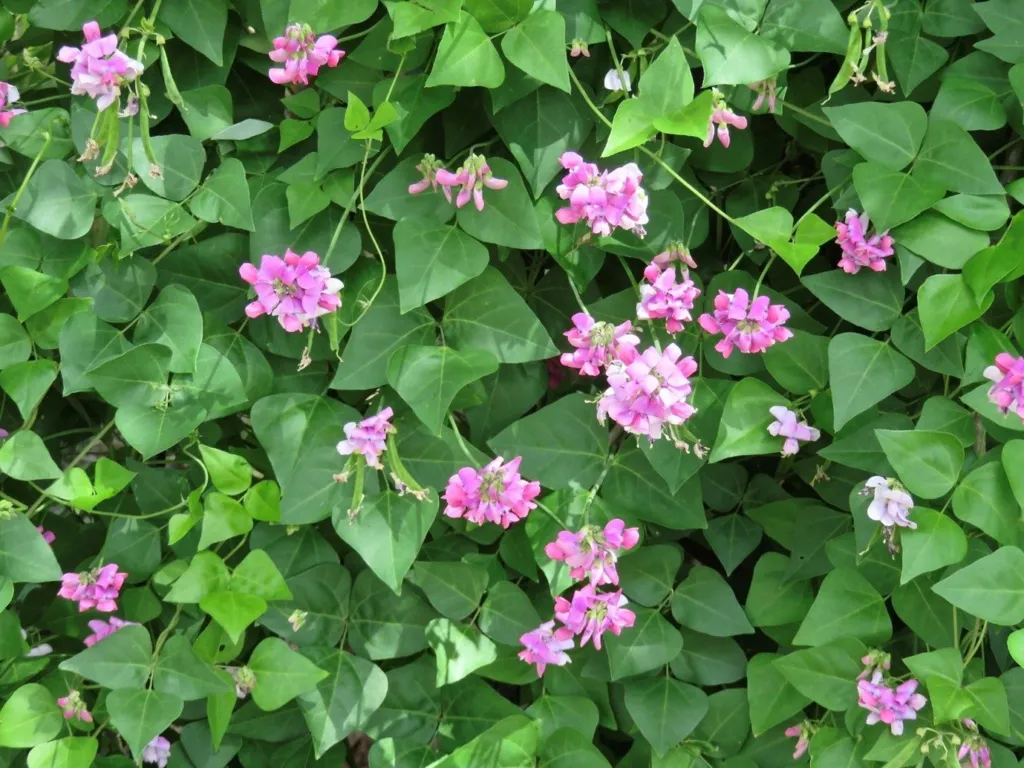
Figure 1: Dipogon lignosus, or Cape Sweet Pea
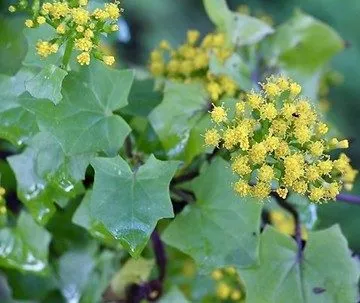
Figure 2: Delairea oborata, or Cape Ivy
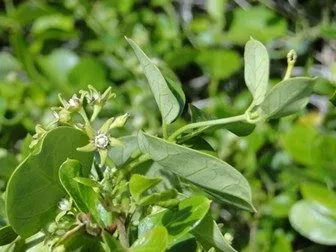
Figure 3: Cynanchum obtusifolium, or Monkey Rope
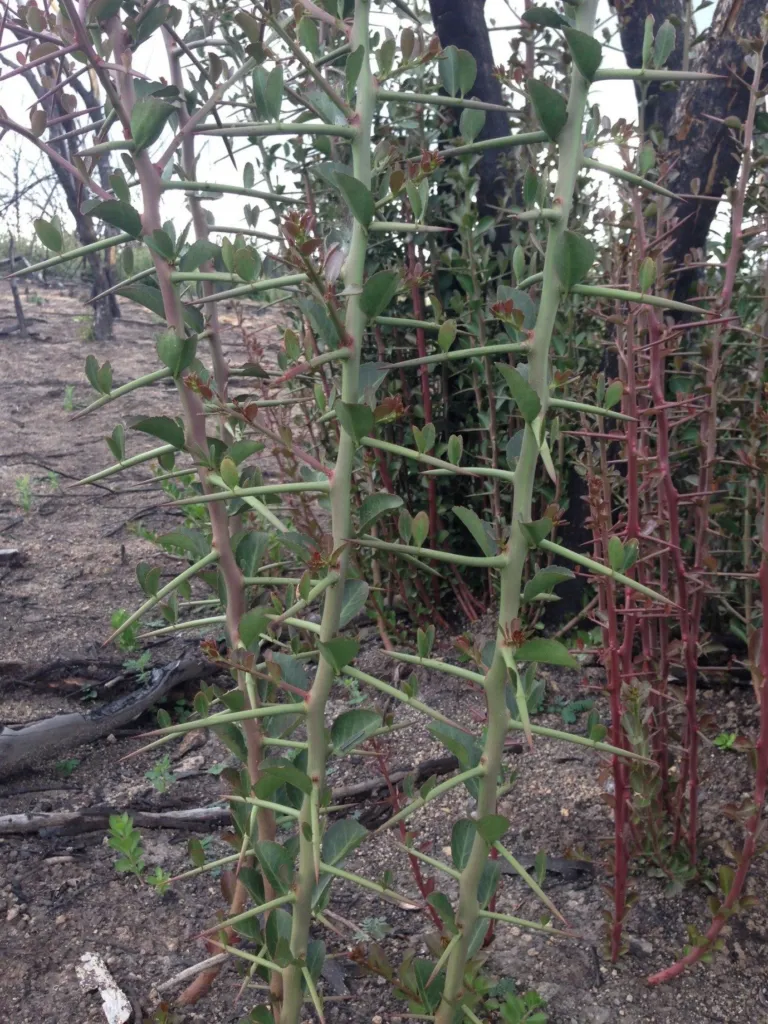
Figure 4: Gymnosporia nemorosa, or Forest Spikethorn
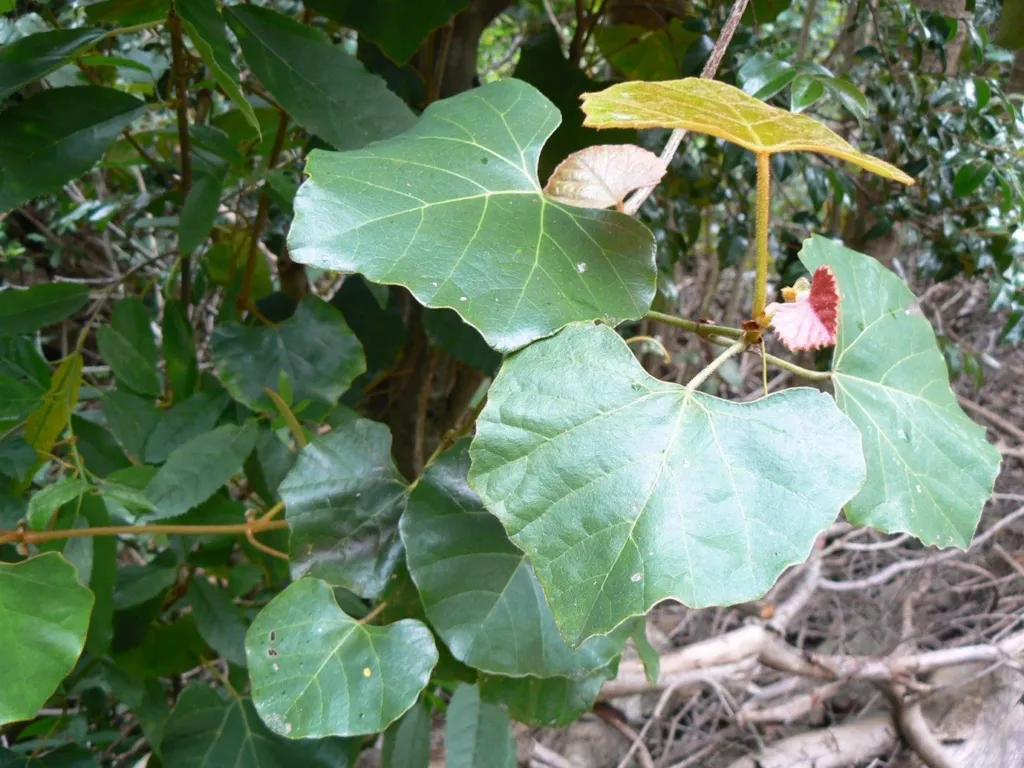
Figure 5: Rhoicissus tomentosa, or Forest Grape
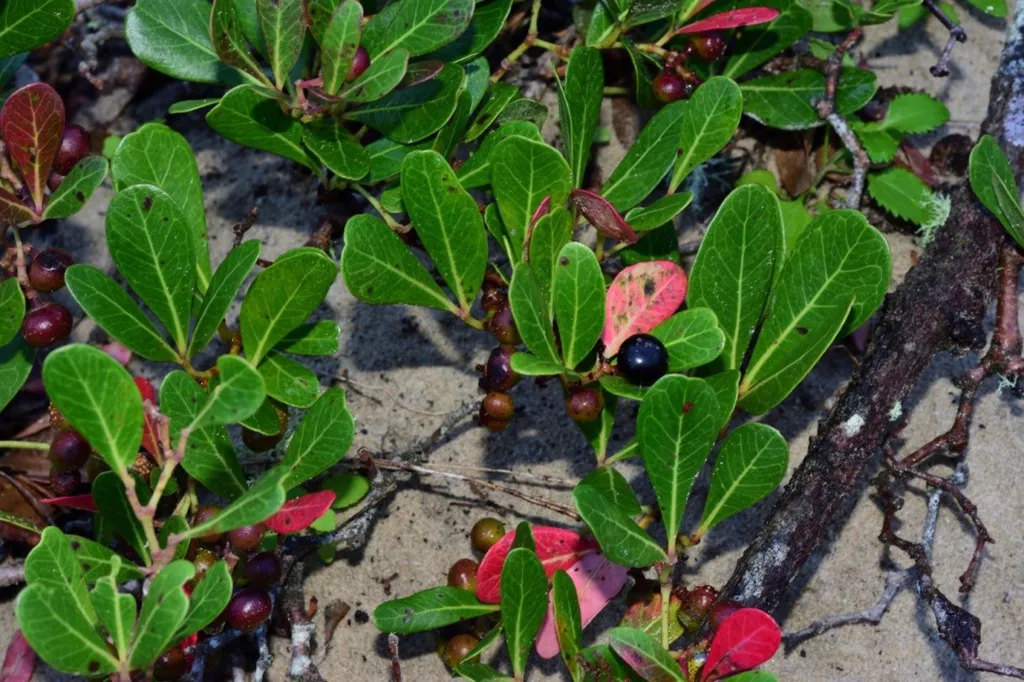
Figure 6: Rhoicissus digitata, or Baboon Grape
Tree Planting in Nature’s Valley
Why should I plant indigenous trees in Nature’s Valley?
Nature’s Valley lies within the coastal forest and thicket biome, with interspersed fynbos vegetation. It is surrounded by some of the largest remaining indigenous forests in South Africa.
Planting species that are strictly indigenous to Nature’s Valley:
- Supports local biodiversity
- Attracts indigenous insects and birds
- Promotes ecological health
- Maintains the natural character of the Valley
Not all “indigenous” trees are appropriate. A species may be indigenous to South Africa but not naturally occur in Nature’s Valley. For ecological integrity, we recommend planting species that are naturally found in this area.
What does “indigenous” mean?
“Indigenous” does not simply mean indigenous to South Africa.
A tree is only truly indigenous to the area where it naturally occurs. Many commonly planted trees (such as Coral Trees or Waterberries) are South African species, but they do not naturally occur in Nature’s Valley and are therefore not strictly indigenous here.
Where can I find a list of recommended trees?
NVT has compiled a representative list of tree and plant species that are indigenous to Nature’s Valley and suitable for planting in local gardens.
Download the full recommended species list here:
This list is not exhaustive but covers most species occurring in the area.
If you are unsure about a species, please contact:
Rudi Swart – rudi.swart@nvt.org.za
Giorgio Lombardi – giorgio.lombardi@nvt.org.za
Where can I buy indigenous plants?
The Phyl Martin Nursery, managed by NVT, stocks a range of locally sourced indigenous species at affordable prices.
Purchasing locally grown indigenous plants ensures:
- Better adaptation to local conditions
- Genetic integrity of local vegetation
- Stronger ecological restoration outcomes
What about exotic or non-indigenous species?
Not all exotic species are invasive — but many are problematic.
NVT has compiled a list of:
- Exotic species not recommended for planting
- Invasive Alien Plant (IAP) species that must be removed
- Naturalised species that should be planted with caution
- South African species that are not indigenous to Nature’s Valley
View the full non-recommended and invasive species list here:
What are Invasive Alien Plants (IAPs)?
Invasive Alien Plants are species that spread aggressively and threaten indigenous ecosystems.
Under South African legislation:
Category 1a
- Must be removed and destroyed
- No permits may be issued
- Compulsory control required
Category 1b
- Extremely invasive
- Must be removed and controlled
- No permits may be issued
Some invasions may qualify for government-sponsored management programmes.
If you need assistance with invasive species removal, please contact NVT directly.
Why does it matter what I plant in my garden?
Every garden contributes to the broader ecological health of Nature’s Valley.
Choosing appropriate indigenous plants:
- Enhances bird diversity
- Supports pollinators
- Prevents the spread of invasive species
- Protects the Valley’s natural heritage
Together, responsible planting helps keep Nature’s Valley pristine.